
A squint that appears only in photographs, occurs occasionally, or begins with double vision still deserves the right kind of eye assessment. By the end, you will know when to seek urgent care, what a specialist examination involves, and how to compare treatment options and local appointments for a child or adult.
Key takeaways
- Seek urgent care for sudden eye misalignment or new double vision.
- Children need vision and amblyopia checks alongside eye alignment testing.
- Ask whether glasses, prisms, amblyopia treatment or surgery fits your diagnosis.
- Compare specialists by paediatric assessment, adult squint care and surgical planning.
When a new or changing squint needs urgent medical attention
Seek urgent medical care today if an adult develops sudden eye misalignment or new double vision, or if a child’s eye suddenly turns and stays turned. Do not rely on an online “squint specialist near me in Nagpur” listing when symptoms appear suddenly.
Go to an emergency department when the squint or double vision comes with:
- Severe headache, vomiting, weakness, numbness or trouble speaking
- A drooping eyelid or unequal pupils
- Loss of vision, severe eye pain or fever
- A recent eye or head injury
These signs can indicate a nerve, brain, thyroid, orbital or other urgent problem. A sudden adult squint needs medical assessment, not only cosmetic advice or a glasses check.
Arrange a prompt full eye examination for a child with a new squint, an eye that is turning more often, reduced vision, an unusual head posture or an abnormal red reflex. An intermittent squint can disappear in photographs while still affecting visual development and causing amblyopia, commonly called lazy eye.
A squint eye doctor in Nagpur should assess alignment, focusing and vision in each eye.
A long-standing, unchanged squint without pain, vision loss or neurological symptoms usually fits a routine appointment. Choose an ophthalmologist experienced in strabismus, rather than relying only on an optical shop or a general online listing.
How childhood and adult squint assessments differ
An occasional childhood squint still needs assessment because the brain may suppress the misaligned eye, causing amblyopia (lazy eye) while the child appears straight in photographs. The clinician checks whether the deviation occurs at near or distance, measures each eye’s vision, and uses cycloplegic eye drops when needed to reveal the child’s true refractive error.
| Feature | Childhood squint | Adult-onset squint |
|---|---|---|
| Main concern | Amblyopia and developing binocular vision | Double vision and the cause of the new misalignment |
| Pattern to assess | Intermittent turns, eye preference, head posture and worsening frequency | Sudden or gradual onset, variable deviation and symptoms such as drooping eyelid |
| Examination focus | Visual acuity in each eye, refraction, ocular alignment and binocular development | Eye movements, pupils, neurological signs, thyroid-related eye disease and orbital findings |
| Treatment implications | Glasses or amblyopia treatment may protect visual development | Prisms, treatment of an underlying disease or eye-muscle surgery may be considered |
A new adult squint is not simply a cosmetic problem. Cranial-nerve palsy, thyroid eye disease, myasthenia gravis, stroke or orbital disease can cause it, especially when double vision begins suddenly. Seek prompt medical assessment for severe headache, weakness, speech difficulty, unequal pupils, vision loss, pain, vomiting or a drooping eyelid.
When searching for a squint specialist near me in Nagpur, choose an ophthalmologist experienced in strabismus rather than relying only on an optical-shop listing. An adult squint specialist in Nagpur should assess adults separately from children and explain why the examination and treatment plan differ.
What happens during a squint examination
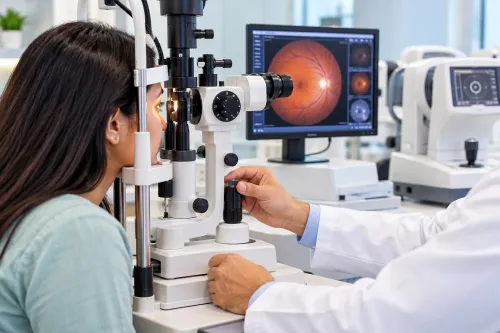
A specialist assessment measures more than how straight your eyes look in a photograph. At a squint clinic in Nagpur, a squint eye doctor in Nagpur will compare each eye separately and assess how the eyes work together. Bring enough information to show what has changed and what has already been tried.
- Visual acuity: read the chart with each eye covered in turn.
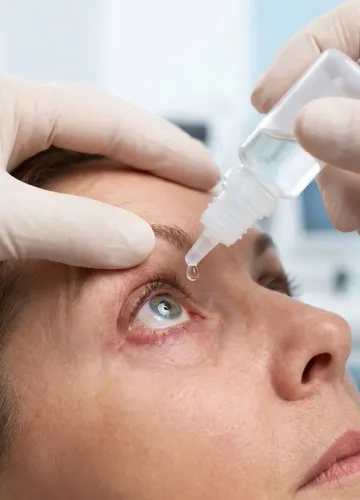
- Refraction: identify whether glasses could improve vision or alignment. Children often need cycloplegic drops, which temporarily relax focusing so the prescription is measured accurately.
- Ocular motility: follow a target in different directions to check eye movements and muscle action.
- Cover and alternate-cover tests: cover each eye in turn to reveal a hidden or obvious deviation.
- Alignment measurements: record the deviation at near and distance, with glasses when relevant.
- Binocular-vision tests: check whether the eyes form one image and judge depth.
- Eye examination: inspect the cornea, iris, lens, retina and optic nerve.
Bring these items to the appointment:
- Current and previous glasses, plus old prescriptions.
- Photographs or videos showing an intermittent turn; they document timing but cannot replace cover testing.
- For a child, birth history and developmental records.
- Records of patching, previous injections or eye-muscle surgery.
Tell the doctor about double vision, headaches, an unusual head posture and when the turning began. A newly turned adult eye or sudden double vision needs medical assessment, not only cosmetic advice.
Glasses, amblyopia treatment, prisms and squint surgery
Clinicians choose treatment from the measured angle, how often the eye turns, visual acuity, binocular function, symptoms and the cause. A child with an occasional outward turn may need observation, while a constant inward turn with reduced vision needs prompt treatment.
| Option | What it means | When it applies |
|---|---|---|
| Observation | Scheduled reviews and repeat measurements | Small, stable deviation with good vision and control |
| Glasses | Corrects refractive error and sometimes reduces the turn | Hyperopia, short-sightedness or unequal prescriptions |
| Amblyopia treatment | Patching the stronger eye or atropine drops | Vision in one eye remains poorer after prescribing glasses |
| Prisms | Splits or shifts images through spectacle lenses | Adult double vision or a manageable small-angle deviation |
| Other treatment | Selected exercises, botulinum toxin or treatment of an underlying illness | Specific patterns, nerve problems or thyroid-related disease |
| Squint surgery | Adjusts the position of eye muscles | Persistent symptoms, poor control, a large angle or abnormal head posture |
Surgery is not automatically cosmetic: it can reduce double vision and improve usable binocular vision, although longstanding childhood misalignment limits the potential. Ask an adult squint specialist in Nagpur whether measurements were repeated with glasses on and off, and who will provide postoperative review during a squint surgery consultation in Nagpur.
Do not choose solely by appointment length or quoted fee.
How to compare a squint specialist or clinic in Nagpur
Choose a clinic by the depth of its strabismus assessment, not by the shortest appointment or lowest surgery fee. A suitable squint specialist near me in Nagpur should routinely treat both adults and children, including binocular vision problems, amblyopia and postoperative alignment.
Ask these questions before booking:
- Does the ophthalmologist manage paediatric and adult strabismus personally?
- Will measurements be repeated with glasses on and off when relevant?
- Will the examination include visual acuity in each eye, cover testing, ocular movements, binocular vision and cycloplegic refraction for a child?
- Who will provide postoperative review, and how often?
- For a squint surgery consultation in Nagpur, will the clinician explain the deviation’s size, stability, double vision and realistic surgical goal?
Compare the answers, not just the fee.
| Question or feature | Stronger sign | Warning sign |
|---|---|---|
| Experience | Specific strabismus or paediatric ophthalmology practice | Only general refraction or optical services |
| Child assessment | Amblyopia, cycloplegic refraction and binocular vision included | Glasses prescribed without alignment measurements |
| Adult assessment | Double vision, previous operations and prism options discussed | Surgery offered without documenting the deviation |
| Surgery planning | Follow-up arrangements and adjustable-suture suitability explained | No clear postoperative reviewer |
A squint clinic in Nagpur should also explain what happens if you observe, use glasses, patch, try prisms or proceed to surgery. Green City Eye Clinic is one local option to question against these same practical standards.
Related service
Eye Hospital Squint also known as strabismus, is a disorder in which both eyes do not stare in the same direction. |
Frequently asked questions
When does a new or changing squint need urgent medical attention?
Seek medical care today if an adult develops sudden eye misalignment or new double vision, or if a child’s eye suddenly turns and stays turned.
How do childhood and adult squint assessments differ?
A child’s assessment includes visual development and amblyopia checks, while an adult assessment also investigates new double vision, changes in alignment and functional symptoms.
What happens during a squint examination?
The specialist checks vision in each eye, eye movements, alignment at different distances and how the eyes work together. Drops or additional tests may be needed.
What treatments are available for squint?
Treatment can include glasses, amblyopia treatment, prisms or squint surgery. The choice depends on the type of misalignment, its cause, vision in each eye and symptoms.
How can you compare a squint specialist or clinic in Nagpur?
Check whether the clinic assesses both adults and children, explains the diagnosis and alternatives, provides a clear squint surgery consultation when needed, and offers follow-up care.
Keywords