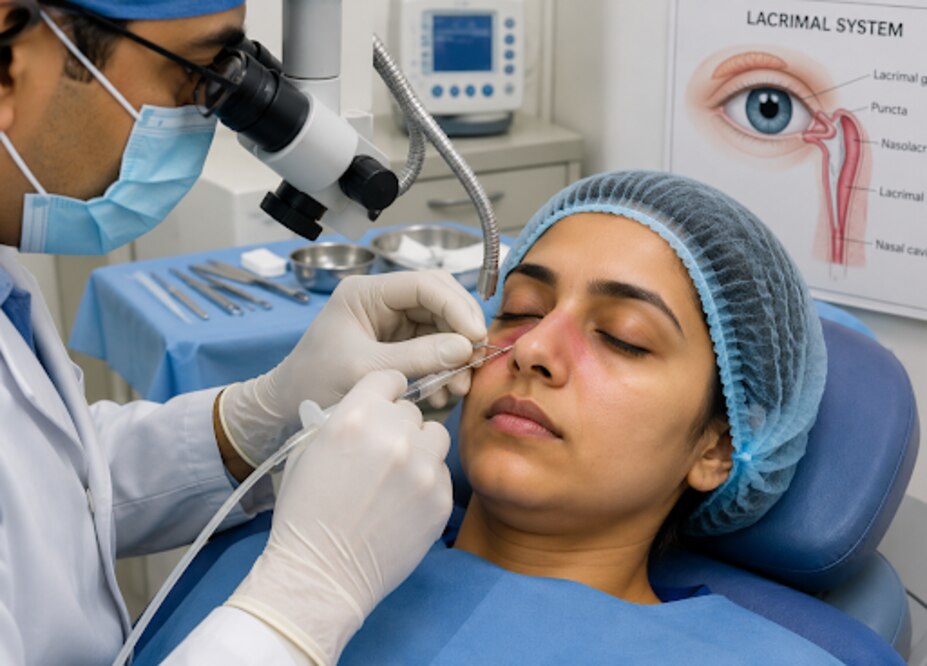

Most people notice clearer vision within one to three days, but the eye continues healing for several weeks. You will learn what to expect at each stage, which activities require caution, how to organise senior aftercare in Nagpur, and which symptoms need urgent medical review.
Key takeaways
- Clearer vision often starts within one to three days.
- Complete healing commonly takes four to eight weeks.
- Use prescribed drops exactly and avoid rubbing or pressing the eye.
- Contact your surgeon urgently for severe pain, worsening vision or increasing redness.
What to Expect on Surgery Day Through Week Six
The cataract surgery recovery time for older adults in Nagpur is usually 4–8 weeks for complete healing, although clearer vision often begins within 1–3 days.
If you are asking how long to recover from cataract surgery, separate early functional recovery from final vision stabilisation: a clear artificial lens does not remove retinal disease or guarantee freedom from glasses.
- Surgery day: Expect a short procedure with local anaesthetic, followed by an eye shield and discharge instructions. Vision may be blurred, watery, light-sensitive, or gritty.
- First 24 hours: Rest at home and use the prescribed antibiotic and anti-inflammatory drops at the exact dose and schedule. Glare, halos, mild discomfort, and fluctuating focus are common.
- Days 2–7: Vision often becomes more useful, but brightness, foreign-body sensation, and temporary blur can continue. Attend the scheduled review, even if sight feels good.
- Weeks 2–4: The eye usually feels more comfortable and vision steadier. Avoid heavy lifting, strenuous exercise, swimming, dust, and dirty water for the period your surgeon specifies.
- Weeks 4–6: Healing and refraction are commonly assessed. New reading or distance glasses may still be needed, and vision can remain limited by diabetes, diabetic macular oedema, retinopathy, glaucoma, or optic-nerve disease.
After one-eye surgery, unequal focus can make walking or reading awkward until glasses are adjusted or the second eye is treated. If both eyes need surgery, the interval between operations determines how long you manage with this imbalance; follow your surgeon’s timing rather than a fixed calendar.
Hot weather, dust, and travel distance in Nagpur affect planning, not the biological healing timetable.
Drops, Daily Activities and Protecting the Eye
Use each prescribed antibiotic and anti-inflammatory drop at the dose, schedule, taper and duration. Do not stop a steroid suddenly or extend it without review; it can raise eye pressure and increase infection risk.
Wash hands, avoid rubbing or pressing the eye, keep soap and non-sterile water out, and wear the supplied shield while sleeping for the advised period. These steps form practical cataract surgery aftercare for seniors.
Return to daily activities gradually, using comfort and your surgeon’s instructions as the limits:
- Bathing: Shower with your eyes closed; keep spray, soap and shampoo away. Avoid swimming and dirty water until cleared.
- Walking and reading: Light walking and short reading sessions are often reasonable the next day. Stop if discomfort or blur increases.
- Driving: Drive only after the surgeon confirms adequate vision and a comfortable eye, and you meet licensing rules. Days since surgery are not enough.
- Exercise and household work: Delay heavy lifting and strenuous exercise. Resume light chores if they do not cause strain, dust exposure or irritation; ask before dusty work.
Clearer vision within one to three days does not mean the eye has healed. Protect it and attend every review while healing and vision stabilisation continue over roughly four to eight weeks; reading or distance glasses may still be needed.
Normal Symptoms, Warning Signs and Follow-Up Checks
Mild blur, glare, halos, light sensitivity, watering and a gritty or foreign-body feeling are common during the first days after surgery. These symptoms should gradually ease, not intensify. Use the exact antibiotic and anti-inflammatory drops, dose, taper and duration prescribed; do not stop steroid drops abruptly or continue them without review.
| Expected recovery symptom | Urgent warning sign | What to do |
|---|---|---|
| Mild irritation or watering | Severe or increasing eye pain | Contact your eye surgeon promptly |
| Temporary blur, glare or halos | Sudden loss of vision or worsening blur after improvement | Seek same-day ophthalmic review |
| Mild redness at the eye surface | Marked redness, sticky discharge, flashes, new floaters or a curtain-like shadow | Seek urgent review |
| Light sensitivity that improves | Nausea or vomiting with eye pain and blurred vision | Treat as an emergency |
During cataract recovery after surgery in Nagpur, dust, heat and travel distance affect practical planning but do not change the need for drops and examinations. Do not rub or press the eye, and keep non-sterile water and soap out of it.
At follow-up, the ophthalmologist checks visual acuity, eye pressure, corneal clarity, wound healing, inflammation, the position of the artificial lens and the retina when indicated. They also review drop use and decide whether treatment should continue or change.
Diabetes requires particular attention because diabetic retinopathy or diabetic macular oedema can limit vision despite a clear lens. Attend every scheduled check, even when sight feels good.
Planning Recovery Around Senior Health and Life in Nagpur
Arrange a responsible escort and return transport before surgery; you should not drive yourself home. Plan help for the first night with meals, walking, eye drops and reminders, especially if you have poor balance, arthritis, hearing loss or live alone.
Nagpur’s heat, dust and long travel distances affect comfort and logistics, not the biological healing timetable, so keep the operated eye away from dust and arrange follow-up before leaving the clinic.
Set cataract operation recovery expectations around your whole eye, not just the artificial lens. Diabetes can slow visual improvement when diabetic retinopathy or macular oedema affects the retina; glaucoma can make pressure checks especially important.
Give the surgeon a complete medication list, including blood thinners, and do not stop any regular medicine unless the surgeon or prescribing doctor tells you to.
- Book transport for every review, not only surgery day.
- Ask a family member or caregiver to supervise prescribed drops if your vision, memory or hand strength makes dosing difficult.
- Keep the drop schedule, appointment date and emergency contact beside your medicines.
- Do not schedule the second-eye operation until the surgeon has reviewed healing and useful vision in the first eye.
- If the first eye is your only reliably seeing eye, discuss the interval and daily safety plan before choosing a date.
At Green City Eye Clinic, ask the ophthalmologist to align follow-up with your diabetes, glaucoma, mobility and travel needs. Keep strenuous work, swimming and dusty outdoor tasks restricted for the period specified after examination.
Related service
Eye Hospital Cataract Cataracts are the clouding of the typically clear lens of your eye. |
When Vision Has Not Settled: Glasses, Delayed Healing and Next Steps
A clear first week does not guarantee stable vision. The eye often needs 4–8 weeks to heal fully, and vision can fluctuate during that period.
Common reasons include:
- Dry eye, corneal swelling or surface irritation
- Ongoing inflammation or raised eye pressure
- Diabetes-related retinal changes, macular disease or glaucoma
- A difference between the planned and achieved intraocular-lens power
- Uncorrected astigmatism or another need for glasses
Use every prescribed drop at the exact dose and for the full duration. Do not stop a steroid drop abruptly or continue it without review; it can raise eye pressure and increase infection risk.
New glasses are usually assessed after the prescription has stabilised, often around 4–6 weeks after an uncomplicated operation. Your ophthalmologist may wait longer when healing is delayed, the eye has significant inflammation, or the second eye still needs surgery.
Cataract surgery removes the cloudy lens, but reading glasses, distance glasses or task-specific glasses can still be necessary.
Arrange another examination if blur is not gradually improving, vision worsens after improving, or glasses do not provide the expected clarity. Ask the clinician to check the cornea, inflammation, eye pressure, retina and implant position.
Clouding months or years later can result from posterior capsule opacification. It is not a cataract growing back; an ophthalmologist can assess whether YAG laser capsulotomy is suitable.
Seek urgent review for sudden vision loss, severe pain, marked redness, discharge, flashes, a sudden shower of floaters or a curtain-like shadow. A second opinion is reasonable when the diagnosis, treatment plan or recovery explanation remains unclear.
Frequently asked questions
How long does cataract surgery recovery take for older adults in Nagpur?
Clearer vision often begins within one to three days, while complete healing commonly takes four to eight weeks.
What activities should seniors avoid after cataract surgery?
Follow your surgeon’s restrictions, avoid rubbing or pressing the eye, protect it from dust and attend every follow-up check.
Which symptoms after cataract surgery require urgent medical advice?
Seek urgent advice for severe or increasing pain, worsening vision, increasing redness, marked light sensitivity, flashes, new floaters or a curtain-like shadow.
What happens if vision has not settled after cataract surgery?
Your surgeon can check healing, eye pressure, the implant and other eye conditions before deciding whether you need updated glasses or further treatment.
Keywords