Nagpur’s summer heat can make your eyes feel dry, gritty, burning or light-sensitive, but that discomfort does not reliably show that glaucoma is progressing or that eye pressure has risen. You will learn how to separate surface irritation from warning signs, protect your treatment routine and decide when to seek urgent ophthalmic assessment.
Key takeaways
- Heat alone does not reliably raise eye pressure or prove glaucoma progression.
- Burning and gritty eyes often indicate surface irritation, not worsening glaucoma.
- Seek same-day assessment for severe eye pain, halos, vomiting, or sudden vision loss.
- Keep glaucoma drops on schedule and never change treatment without your ophthalmologist.
Does Nagpur summer heat raise eye pressure or worsen glaucoma?
Nagpur’s summer heat alone is not a reliable explanation for glaucoma worsening. It does not automatically damage the optic nerve or produce a predictable rise in intraocular pressure (IOP). Glaucoma is usually chronic, and open-angle glaucoma often causes no noticeable symptoms early.
| Finding | More consistent with | What to do |
|---|---|---|
| Heat, sweating, low humidity, dust or direct airflow; burning or gritty eyes | Surface irritation, not necessarily higher IOP | Reduce exposure and seek clinical advice if it persists |
| Missed drops, dehydration, difficult travel or disrupted appointments | Indirect treatment risk | Continue prescribed care and arrange review |
| Sudden pain, marked redness, halos, headache, nausea, vomiting or rapid vision loss | Urgent eye disease, including possible angle closure | Seek same-day ophthalmic assessment |
So, can summer heat make glaucoma eye symptoms worse in Nagpur? It can make your eyes feel dry or uncomfortable, but discomfort does not prove glaucoma progression. Regular fluid intake is safer than rapidly drinking about 1 litre of water; that volume can temporarily raise IOP in susceptible people.
Follow fluid restrictions if your physician prescribed them.
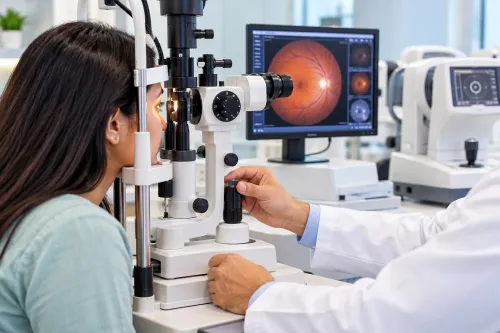
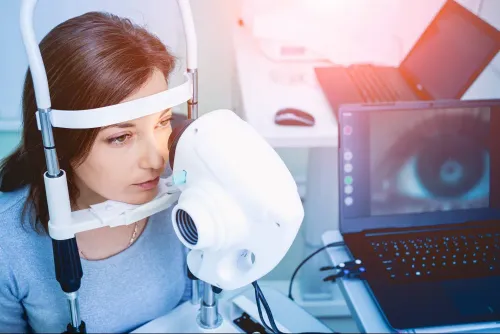
A single summer pressure reading cannot prove heat caused a problem because IOP varies during the day and between visits. An ophthalmologist may compare repeated measurements with an optic-nerve examination, visual-field testing and OCT nerve-fibre imaging. These checks matter because glaucoma symptoms in summer in Nagpur may be absent even when damage progresses.
Which summer eye symptoms suggest irritation rather than glaucoma progression?
Burning, gritty sensation, watering, fluctuating blur and light sensitivity during Nagpur’s hot weather usually point more towards evaporative dry eye or ocular-surface irritation than glaucoma progression. Heat, dust, smoke, air-conditioning, fans and hot wind increase tear evaporation. This distinction matters when assessing glaucoma symptoms in summer in Nagpur.
| Symptom | More likely explanation | What to do |
|---|---|---|
| Burning or gritty feeling | Evaporative dry eye or surface irritation | Avoid direct airflow and use only clinician-recommended lubricating drops |
| Watering or fluctuating blur | Unstable tear film | Move away from dust, smoke and hot wind; arrange review if it persists |
| Light sensitivity | Surface irritation | Wear close-fitting sunglasses; they reduce discomfort but do not lower eye pressure |
| Severe pain, halos or sudden vision loss | Urgent eye condition, including possible angle closure | Seek same-day ophthalmic assessment |
Glaucoma often progresses without pain or obvious visual symptoms, so increasing glaucoma eye discomfort in Nagpur is not a dependable measure of optic-nerve damage. Several glaucoma drops can also irritate the surface, especially when they contain benzalkonium chloride and you use multiple topical medicines.
Do not stop prescribed drops because your eyes feel better or worse. Ask an ophthalmologist whether a preservative-free or alternative formulation is appropriate. Persistent redness, pain that does not settle or reduced vision needs examination, not pharmacy treatment.
Never self-treat a red eye with steroid drops: corticosteroids can raise eye pressure and worsen or mask an infection.
Which symptoms need same-day glaucoma assessment?
Sudden severe eye pain, marked redness, blurred vision or halos around lights, headache, nausea or vomiting, and sudden reduction in vision require same-day emergency ophthalmic assessment. Do not explain these symptoms away as Nagpur heat, dehydration, dust or a new pair of sunglasses.
These warning signs can indicate acute angle-closure glaucoma or another urgent eye condition. Seek immediate help when symptoms appear suddenly, especially if one eye is affected or your vision is changing quickly.
| Symptom pattern | What it suggests | What to do |
|---|---|---|
| Mild grittiness or burning without vision loss | Surface irritation from heat, dust, wind or dryness | Discuss it with a clinician if it persists |
| Severe pain, halos, vomiting or rapid visual change | Possible acute glaucoma or another eye emergency | Obtain same-day emergency ophthalmic assessment |
Glaucoma symptoms in summer in Nagpur are not always obvious. Routine open-angle glaucoma can cause no early warning symptoms, so normal-feeling eyes do not replace scheduled pressure checks, visual-field testing or optic-nerve monitoring.
Glaucoma eye discomfort in Nagpur can reflect irritation rather than optic-nerve damage, but discomfort alone cannot confirm the cause. Do not wait for a routine appointment if severe pain, halos, vomiting or rapid visual change appears.
Avoid driving yourself if your vision is blurred or the pain is severe. Take your current eye-drop list, including doses and how often you use each medicine, to the appointment.
How should you manage glaucoma treatment during Nagpur’s hot weather?
Glaucoma care during hot weather in Nagpur starts with adherence, not symptom-watching. Continue every glaucoma drop on its prescribed schedule, even when you are outdoors, symptom-free or uncomfortable. Never dilute, skip or discontinue drops because your eyes feel better.
Use this drop checklist:
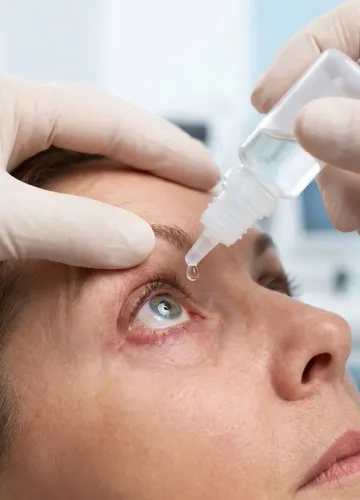
- Wash your hands. Keep the bottle tip away from your eye and skin, instil the prescribed amount, close the eye gently and press the inner corner near your nose for about one minute.
- Separate different drops by at least five minutes when your prescriber instructs you to use them together.
- Check each bottle label for its exact storage temperature. Do not assume every drop tolerates Nagpur’s heat equally.
- Keep bottles away from direct sunlight, a hot window and a parked car. Do not freeze them unless the label specifically says to do so.
- Drink fluids regularly unless a doctor has imposed a fluid restriction. Do not rapidly drink about one litre as a glaucoma-prevention measure.
- Address heavy sweating, diarrhoea or vomiting promptly because dehydration can disrupt medication safety and travel.
Ask your treating ophthalmologist to review the regimen if you develop dizziness, faintness, breathing difficulty, marked weakness or suspected dehydration. Plan appointments and travel outside the hottest part of the day during April-to-June heat-wave conditions. Take your drops with you rather than leaving them in a heated vehicle.
How can you reduce summer discomfort while keeping glaucoma checks on track?
Stay in shade, wear close-fitting UV-blocking sunglasses and a hat, avoid direct fan or cooler airflow, and take breaks from dusty or smoky areas. Use only lubricating drops recommended by your clinician.
- Move indoors or into shade when heat, dust or smoke causes burning.
- Wear sunglasses that fit close to your face without pressing on your eyes.
- Keep fans and coolers directed away from your face.
- Leave smoky or dusty areas and give your eyes a recovery break.
These steps reduce tear evaporation and surface irritation; they do not replace pressure-lowering treatment. The question “can summer heat make glaucoma eye symptoms worse in Nagpur” needs two answers: heat can worsen comfort, but glaucoma can worsen without a noticeable change in comfort. Keep every scheduled pressure check.
If burning or grittiness continues, ask an ophthalmologist to examine the ocular surface, review preservatives such as benzalkonium chloride in your drops and check eye pressure instead of blaming heat. For persistent glaucoma eye discomfort in Nagpur, Green City Eye Clinic can assess symptoms, medication use, pressure and optic-nerve findings together.
Seek emergency assessment for severe pain, marked redness, halos, headache, nausea, vomiting or sudden vision reduction. Do not wait for a routine visit. Treat mild irritation with clinician-approved comfort measures, but treat rapid or severe visual symptoms as an eye emergency.
Related service
Eye Hospital Glaucoma Glaucoma is a collection of eye diseases that affect the optic nerve, which is essential for proper vision. |
Frequently asked questions
Does Nagpur summer heat raise eye pressure or worsen glaucoma?
Heat alone is not a reliable cause of raised intraocular pressure or glaucoma progression. Continue prescribed treatment and attend scheduled pressure and optic-nerve checks.
Which summer eye symptoms suggest irritation rather than glaucoma progression?
Burning, gritty eyes, watering, redness and discomfort after dust, sweat, air-conditioning or sunlight often point to surface irritation. Glaucoma progression frequently causes no noticeable symptoms.
Which symptoms need same-day glaucoma assessment?
Seek same-day assessment for severe eye pain, sudden blurred vision, coloured halos around lights, marked redness, nausea or vomiting, or sudden vision loss.
How should you manage glaucoma treatment during Nagpur’s hot weather?
Use glaucoma drops exactly as prescribed, store them according to the label, avoid leaving them in a hot car, and ask your ophthalmologist before changing or stopping treatment.
How can you reduce summer discomfort while keeping glaucoma checks on track?
Wear UV-protective sunglasses, use a hat, avoid dusty conditions, rinse sweat from the eyelids, use only eye lubricants approved for you, and keep scheduled glaucoma reviews.
Keywords